Suno Tightens AI Music Rules After Platforms Got Gamed for Profit :- AI music generator Suno just announced a major policy shift — and the timing tells its own story. The changes arrive just a week after Suno lost a copyright battle with a German music rights organization, and while the company continues facing multiple other lawsuits from major record labels.
What Suno Actually Announced
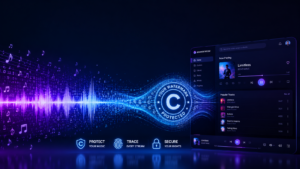
In a blog post titled “How We’re Building the Future of Music Responsibly,” CEO and co-founder Mikey Shulman laid out four core principles guiding the company, alongside three concrete changes: new download limits designed to prevent mass distribution of AI songs onto streaming platforms, audio watermarking and fingerprinting technology rolling out in the coming weeks so Suno tracks can be identified across other platforms, and more explicit community guidelines banning scams, spam, fake engagement, and bot-driven manipulation.
The Problem Suno Is Actually Solving
This isn’t a purely proactive move — it’s a direct response to a genuine abuse pattern. Some users were generating hundreds or even thousands of AI songs, uploading them in bulk to streaming platforms, then using bots to repeatedly play the tracks and collect fraudulent streaming royalties. In one striking example from earlier this year, a man was convicted after uploading hundreds of thousands of AI-generated songs and fraudulently collecting $8 million in royalty payments through exactly this kind of scheme.
Who Won’t Be Affected
Suno was clear that this crackdown targets scale abuse, not ordinary users. According to the company, the vast majority of people using Suno for personal, creative, or professional purposes won’t notice any real change — the download restrictions are specifically aimed at making bulk, bot-assisted distribution significantly harder.
The Legal Pressure Behind This Timing
The announcement lands amid mounting legal challenges. Suno recently lost a copyright infringement case brought by GEMA, Germany’s music collecting society, over allegations that Suno’s outputs replicated existing copyrighted songs. The company also settled a separate, earlier lawsuit with Warner Music Group, which included a commitment to move toward a licensed model for using copyrighted material in training. Suno maintains it deliberately excludes artist names from its training data and has never allowed prompts that specifically target a named artist or copyrighted song.
What’s Still Unconfirmed
Suno hasn’t published the exact download caps, which user tiers they’ll apply to, or a firm launch date — the company has only said the changes are coming “in the coming weeks.” For now, treat any content strategy relying on high-volume Suno exports as something that will need to adapt once these specifics land.
Why This Matters Beyond Music
This story is part of a broader pattern playing out across generative AI platforms in 2026 — as tools become powerful enough to produce content at scale, platforms are increasingly forced to build in abuse-prevention measures after bad actors exploit that same scale for fraud. Expect similar tightening across other AI content categories (images, video, writing) as this pattern repeats.
ReadMore:- EU’s New AI Transparency Law Is Now Enforceable — What It Means for You | Affitronix
Frequently Asked Questions
Will Suno’s new download limits affect casual or personal users?
No — Suno has stated the changes are specifically designed to target large-scale, bulk distribution abuse, not everyday personal or creative use.
What is Suno’s watermarking feature for?
It will embed identifiable markers in AI-generated tracks so other platforms can recognize and trace content created with Suno, helping prevent AI-generated songs from being passed off as human-made without disclosure.
Why is Suno facing legal challenges?
The company faces multiple lawsuits and rulings, including a recent loss to Germany’s GEMA collecting society, over allegations that its AI training and outputs infringed on copyrighted music.