Meta has taken an unusually aggressive step to protect privacy on its AI-powered smart glasses: the company has permanently disabled the cameras on thousands of devices after detecting that users had tampered with the glasses’ recording indicator light.
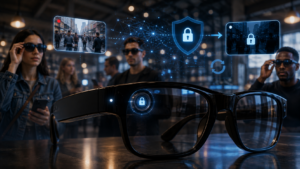
The move affects a very small portion of Meta’s smart-glasses user base—less than 0.1% of glasses sold, according to reporting on Meta’s enforcement. But the decision is significant because the camera is one of the glasses’ core features, and Meta is now using software enforcement to make its privacy hardware harder to bypass.
The issue centers on a small white LED built into the glasses. The light is designed to tell people nearby when the camera is capturing photos or video.
Why Did Meta Disable the Cameras?
Meta’s AI glasses include a capture LED that flashes when the camera is taking a photo and blinks while video is being recorded.
According to Meta, covering or disabling the capture LED automatically disables the camera. The company designed this feature as a visible privacy signal for people around the wearer.
The problem arose when some users attempted to physically alter that privacy mechanism.
Some modifications involved covering the LED, while more invasive modifications could physically damage or disable the indicator. The purpose of such modifications was to make it harder for people nearby to know that the glasses were recording.
Meta responded by updating its software to detect tampering and disable camera functionality on affected devices.
How Many Meta AI Glasses Were Affected?
Meta has not publicly disclosed an exact number of affected glasses.
The company has said the affected devices represent less than 0.1% of all AI glasses sold. Reports estimate that this translates to thousands of devices, based on Meta’s sales volume.
That distinction is important.
This is not a broad shutdown of Meta’s smart-glasses cameras. The action specifically targets devices where Meta detected attempts to bypass the privacy safeguards.
What Happens When the Privacy Light Is Tampered With?
The capture LED is more than a simple notification light.
Meta has built it into the privacy architecture of the glasses. Its official explanation says that if the capture LED is covered or disabled, the camera is automatically disabled.
The latest enforcement goes further for devices that have been physically modified.
In cases where the privacy mechanism has been deliberately altered, Meta can permanently disable the camera rather than allowing the glasses to continue operating as a camera after the safeguard has been compromised.
This creates a direct trade-off: users who deliberately modify the privacy indicator can lose one of the most important functions of their glasses.
Meta Is Closing More Than One Privacy Loophole
The camera shutdown is part of a broader effort by Meta to address concerns about covert recording.
A previous protection could stop the camera when the privacy LED was obstructed. But reporting indicated that users had found another workaround: they could begin recording while the LED was visible and then cover the light afterward.
Meta has now introduced an additional safeguard designed to stop recording if the capture light becomes obstructed during recording.
That means Meta is moving from a simple warning system toward an enforcement system.
Instead of merely telling people that recording is taking place, the glasses can now stop recording when the privacy signal is compromised.
Why Is the LED So Important?
Smart glasses create a unique privacy problem because the camera is integrated into something that looks like ordinary eyewear.
A person wearing a conventional camera has to deliberately point and operate it. Smart glasses can capture images and video while the wearer is looking naturally at the environment.
That makes the recording indicator particularly important.
Meta’s white capture LED is intended to provide a visible signal to bystanders. If someone can permanently disable or conceal that signal while keeping the camera operational, the social privacy protection becomes much weaker.
Meta’s July FAQ specifically explains that the capture LED is designed to blink when content is being captured and that covering or disabling it automatically disables the camera.
Privacy Concerns Have Been Growing Around AI Glasses
The controversy is bigger than one hardware modification.
AI glasses can combine cameras, microphones and AI capabilities in a wearable device that can observe and interpret the surrounding environment.
That creates difficult questions about people who are recorded without their knowledge, particularly in workplaces, schools, restaurants, private gatherings and other sensitive environments.
Recent reporting says Meta has responded not only with technical changes but also by removing content and services associated with attempts to bypass the glasses’ privacy safeguards. The company has also launched efforts to educate users and bystanders about the meaning of the recording light.
Does This Mean Meta AI Glasses Are Being Shut Down?
No.
Meta is not shutting down its AI glasses business or disabling cameras across its entire product line.
The enforcement applies to a very small subset of devices associated with privacy-light tampering. Meta says that group represents less than 0.1% of glasses sold.
For normal users who have not deliberately modified the privacy system, the glasses continue to function.
The bigger change is that Meta is making the privacy indicator a more fundamental part of the camera system.
What This Means for Ray-Ban Meta Users
For ordinary users, the message is straightforward: do not cover, disable or physically modify the capture LED.
The LED is designed to tell people nearby that the camera is operating.
Users who intentionally alter it may trigger camera restrictions, and devices with detected physical tampering can have their camera permanently disabled.
Meta’s approach also sends a broader message to the smart-glasses market: privacy indicators cannot simply be treated as cosmetic hardware.
They increasingly need to be connected to the underlying camera system so that bypassing the indicator also prevents recording.
Could Meta’s Approach Become a Standard for AI Glasses?
Possibly.
As companies develop more sophisticated AI-powered wearables, privacy could become one of the biggest barriers to widespread adoption.
People may be comfortable using glasses that take photos, answer questions or provide AI assistance. They may be much less comfortable standing next to someone whose glasses can record them without a visible signal.
A system where the privacy indicator is technically tied to camera operation offers a stronger guarantee than relying entirely on user behavior.
But it is not a complete solution.
Software can enforce rules on the device, but it cannot eliminate every privacy concern surrounding wearable cameras. People can still misunderstand what the device is doing, and different countries, businesses and venues may establish their own rules for recording.
The Bigger AI Wearable Debate
Meta’s decision highlights a fundamental challenge for AI glasses.
The technology becomes more useful as it gains better awareness of the user’s surroundings. Cameras allow AI assistants to understand objects, read information, recognize situations and provide contextual assistance.
But the same sensors can capture information about everyone around the wearer.
That creates a tension between useful ambient AI and bystander privacy.
The more capable these devices become, the more important transparent recording indicators, consent practices and technical safeguards are likely to become.
What Happens Next?
Meta is likely to continue updating its smart glasses as new privacy loopholes are discovered.
The company has already demonstrated that it is willing to use software updates to enforce hardware-level privacy rules. Recent changes also show that Meta is responding to specific methods users have developed to bypass recording indicators.
The larger question is whether these protections will be enough to convince the public that AI glasses can be used responsibly.
As smart glasses become more common, privacy expectations will likely influence where people can wear them, how businesses respond to them and what features manufacturers are allowed to introduce.
Final Takeaway
Meta’s decision to disable cameras on thousands of AI glasses is not a shutdown of its smart-glasses business.
It is a targeted response to users who attempted to bypass one of the product’s most important privacy safeguards: the recording indicator.
The move shows that Meta increasingly views the capture LED as part of the camera’s security system rather than merely a notification light.
For the broader AI industry, the lesson is even more important: when AI devices can see and hear the world around them, privacy cannot be an afterthought. It has to be built into the hardware, software and rules governing how the technology is used.
Read More:- Meta Launches Muse Voice Transcribe AI With Support for 70+ Languages
FAQ
Did Meta shut down the cameras on all AI glasses?
No. Meta disabled cameras on a small number of devices where privacy-indicator tampering was detected. The affected devices represent less than 0.1% of glasses sold.
Why did Meta disable the cameras?
Meta took the action after detecting attempts to alter or disable the LED that indicates when the glasses are recording.
What is the capture LED on Meta AI glasses?
The capture LED is a white indicator light that signals when the glasses’ camera is capturing photos or video.
Can Meta AI glasses record without the privacy light?
Meta’s safeguards are designed to prevent recording when the capture LED is covered, disabled or detected as tampered with.
Will normal Meta AI glasses still work?
Yes. The camera shutdown applies to devices affected by detected privacy-indicator tampering, not the entire Meta AI glasses lineup.
Can users disable the recording light?
Users should not attempt to disable or physically modify the capture LED. Doing so can result in camera functionality being disabled.
Why are AI glasses raising privacy concerns?
AI glasses can capture images and video from a wearable device that looks similar to ordinary eyewear. This creates concerns about recording people without their knowledge or consent.
Is Meta planning to stop selling AI glasses?
There is no indication from the current reporting that Meta is shutting down its AI-glasses business. The company is instead adding stronger privacy protections.